

Flagship phones get all the camera headlines — periscope zooms, 200MP sensors with pixel-binning wizardry, computational photography tuned by teams of imaging engineers. But in 2026, a lot of that trickle-down tech has landed in phones that cost less than a nice pair of headphones.
Big sensors, optical image stabilization, and the same HDR and night-mode processing that used to be exclusive to $800+ devices now show up in phones priced well under $300. You just have to know where to look, because “camera phone” marketing copy doesn’t always match what the sensor can actually do.
We pulled together the 10 best camera phones you can buy right now for under $300 — every price verified as of July 2026, and every phone confirmed available new (no refurbished units padding this list). For each one, we break down exactly which flagship-level camera feature it borrowed, where it shines in real shooting conditions, and the one trade-off you should know about before you buy.
Prices shift fast in this segment, so treat these as accurate at publish time — always double-check before you check out.
Quick-Answer Comparison Table
Best camera phones under $300 — at a glance
| Rank | Phone | Price | Main Camera | Standout Camera Feature |
| 1 | Samsung Galaxy A35 5G | $259–$267 | 50MP + 8MP UW + 5MP macro | OIS-stabilized main sensor with mature ISOCELL tuning |
| 2 | Xiaomi POCO X7 5G | $279–$293 | 50MP main (OIS) | f/1.5 aperture + OIS for unusually sharp low-light shots |
| 3 | Motorola Edge 50 Fusion | $195–$295 | 50MP main, OIS | Largest main sensor on this list — best low-light shots |
| 4 | Samsung Galaxy A26 5G | $184–$299 | 50MP + 8MP UW + 2MP macro | 6 years of OS updates keep camera processing current |
| 5 | Xiaomi Redmi Note 13 Pro 5G | $270–$305 | 200MP main, OIS | Highest resolution — best cropping flexibility |
| 6 | Nothing CMF Phone 2 Pro | ~$279 | 50MP wide + 50MP telephoto | Rare true 2x optical zoom lens at this price |
| 7 | Xiaomi Poco X6 Pro 5G | $270–$299 | 64MP main, OIS | Fast chipset + OIS for confident burst shooting |
| 8 | OnePlus Nord N30 5G | $199–$300 | 108MP main | Large sensor + fast charging, no-frills daylight shooter |
| 9 | Motorola Moto G Power (2025) | $294–$299 | 50MP + 8MP dual, OIS | IP68/IP69 + MIL-STD-810H rugged durability |
| 10 | Samsung Galaxy A16 | $147–$200 | 50MP + 5MP + 2MP triple | Cheapest entry point, still backed by 6 years of updates |
Prices reflect unlocked, US retail pricing checked in July 2026 and may vary by retailer, carrier, and configuration.
The Ranked List
1. Samsung Galaxy A35 5G — Best Overall Camera Value
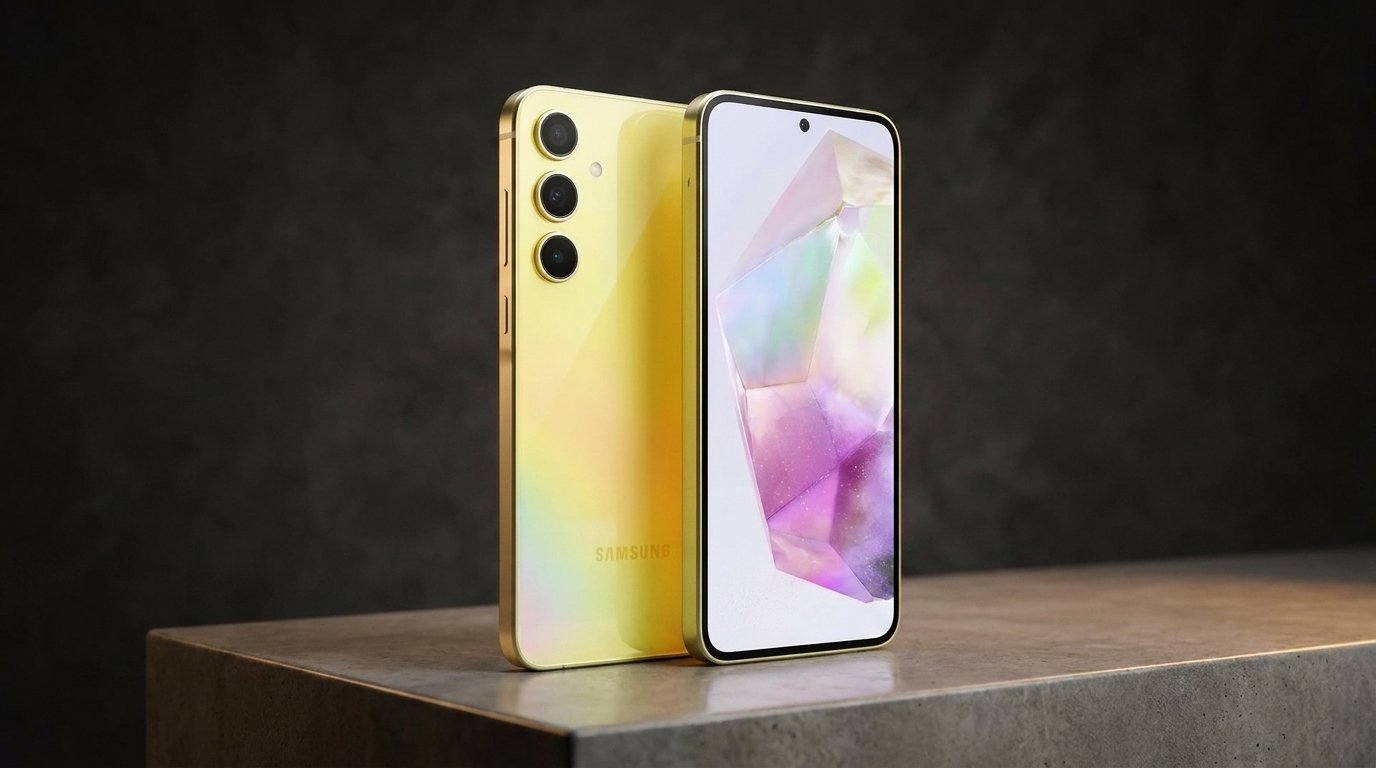
Price: $259–$267 (unlocked)
Camera specs:
- Rear triple camera: 50MP main (f/1.8, 1/1.96″ sensor, PDAF, OIS), 8MP ultrawide (f/2.2, 123°), 5MP macro
- Front: 13MP (f/2.2)
- Video: 4K@30fps with gyro-EIS on both cameras
- LED flash, panorama, HDR support
The Samsung Galaxy A35 5G earns the top spot because it’s the rare sub-$300 phone with optical image stabilization on the main sensor — a feature flagships have leaned on for years to keep photos sharp when your hand inevitably shakes. Pair that with a 1/1.96″ sensor (larger than what most budget rivals pack) and f/1.8 aperture, and you get noticeably steadier low-light shots and less motion blur in everyday handheld photos than you’d expect at this price.
Samsung’s image processing here also deserves credit. Even though the Exynos 1380 chipset isn’t a speed demon, Samsung’s color science on the A-series has matured a lot since earlier generations — daylight shots come out with accurate, true-to-life color rather than the oversaturated look budget phones sometimes chase.
Real-world scenario: Handheld shots in dim restaurants or evening walks are where the OIS main camera pulls ahead of the pack — less smearing, more usable detail without needing a tripod or a steady countertop.
Trade-off: The 5MP macro camera is filler — it’s there to pad the spec sheet more than to actually get used. And the ultrawide’s smaller 1/4.0″ sensor means it’s noticeably softer than the main lens once light drops.
Best for: Anyone who wants the single most dependable all-around camera under $300, especially for low-light and handheld shooting.
2. Xiaomi POCO X7 5G — Best Sharpness-Per-Dollar
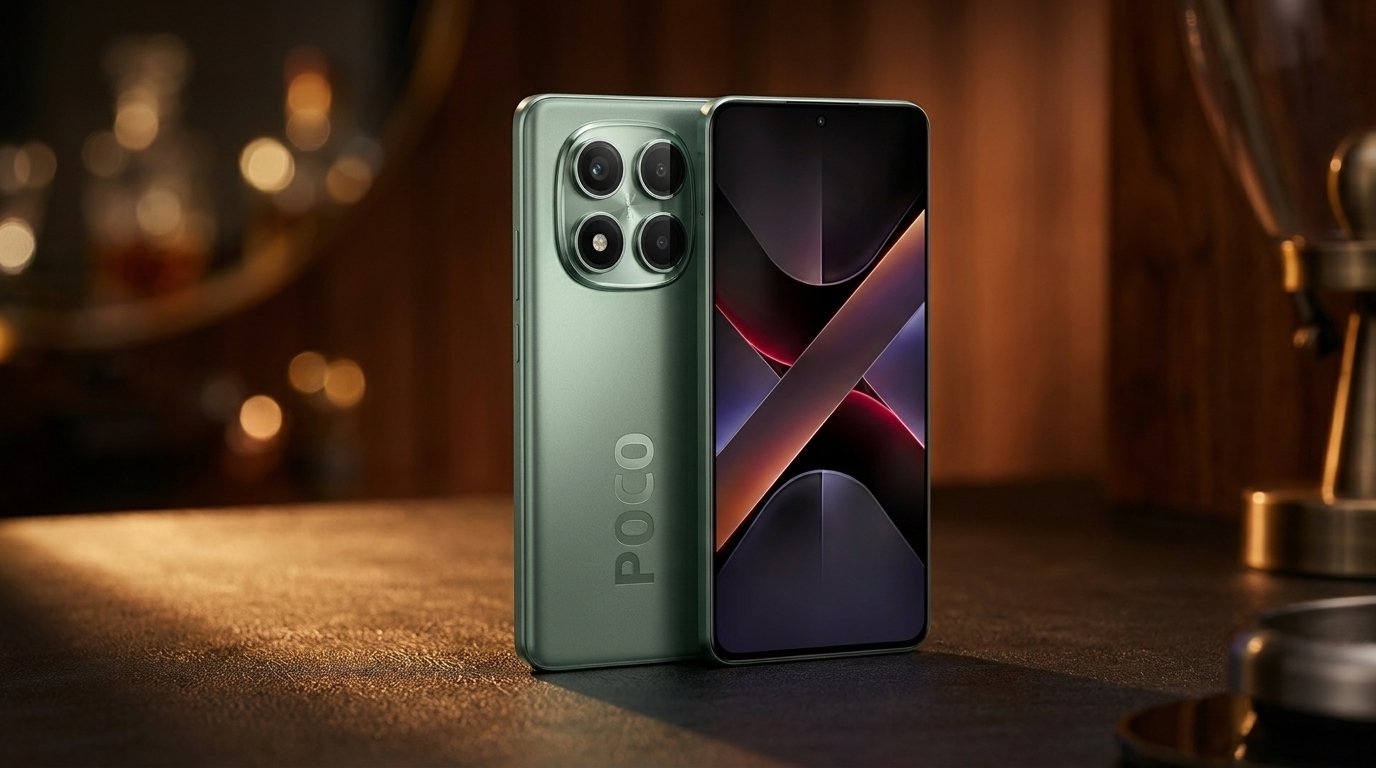
Price: $279–$293 (unlocked)
Camera specs:
- Rear triple camera: 50MP main (f/1.5, 1/1.95″ sensor, 0.8µm pixels, PDAF, OIS), 8MP ultrawide (f/2.2, 120°), 2MP macro
- Front: 20MP (f/2.2)
- Video: 4K@24/30fps, 1080p up to 120fps, with gyro-EIS and OIS
- LED flash, HDR, panorama
The Xiaomi POCO X7 5G is the sleeper pick on this list. That f/1.5 aperture is unusually wide for a budget phone — it’s a full stop brighter than most rivals here, meaning the sensor pulls in noticeably more light before any processing kicks in. Combine that with OIS on the main camera (not common at this price) and a 1/1.95″ sensor, and you get a camera that’s doing real optical work instead of leaning entirely on software to fake sharpness.
The screen also plays a supporting role in the camera experience: a 3000-nit peak brightness AMOLED panel with HDR10+ and Dolby Vision means what you see in the viewfinder and gallery actually resembles what you shot — useful when you’re judging exposure and color on the fly.
Real-world scenario: Fast-moving subjects in decent light (kids, pets, street photography) benefit most from the f/1.5 aperture and OIS combo — less motion blur, faster effective shutter speeds without cranking ISO into noisy territory.
Trade-off: No microSD card slot, so you’re locked into whatever storage tier you buy. The 2MP macro is essentially unused space on the spec sheet, and 1080p video caps at 120fps rather than offering a true 4K slow-motion option.
Best for: Buyers who prioritize raw optical camera quality (wide aperture + OIS) over extra lenses or gimmick features.
3. Motorola Edge 50 Fusion — Best Low-Light Performance
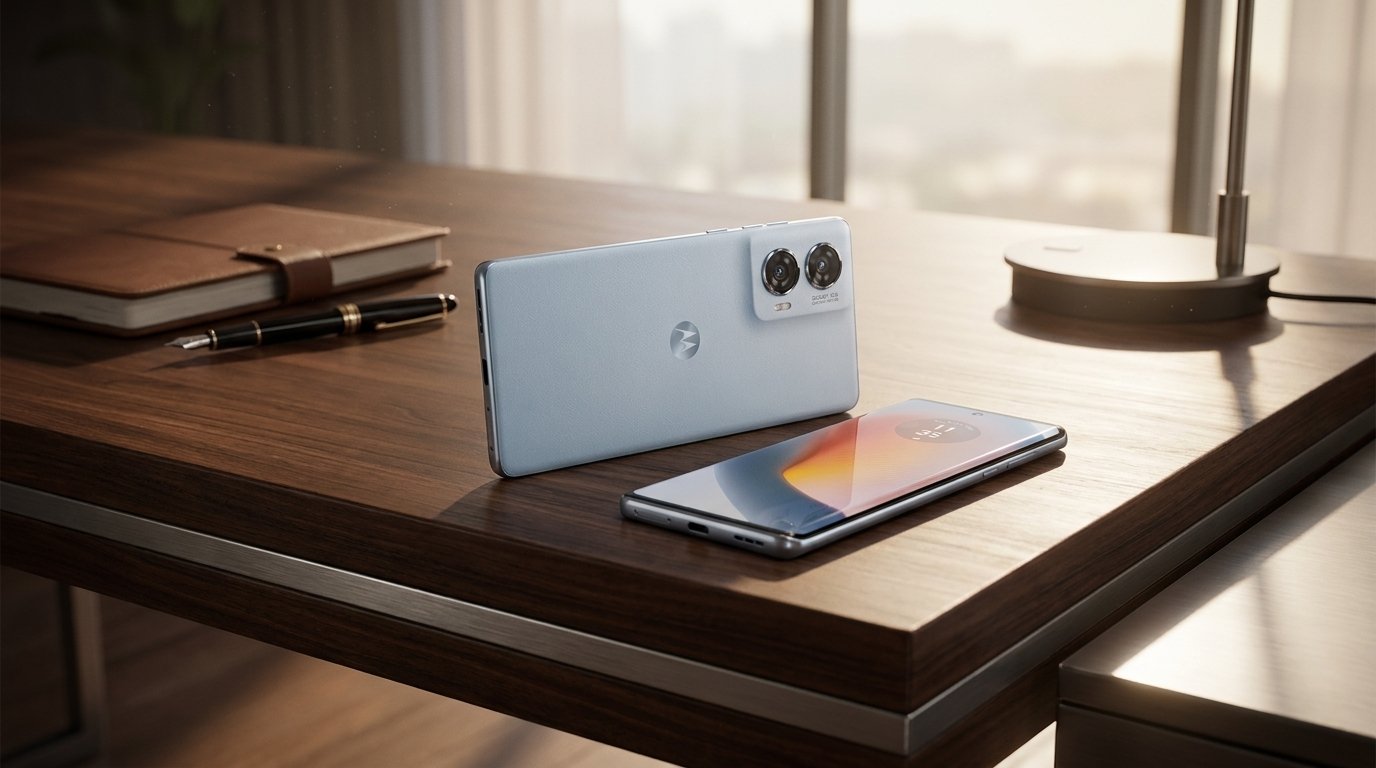
Price: $195–$295 (unlocked, base 8/128GB config)
Camera specs:
- Rear dual camera: 50MP main (f/1.9, 1/1.56″ sensor, 1.0µm pixels, multi-directional PDAF, OIS), 13MP ultrawide (f/2.2, 120°, with autofocus)
- Front: 32MP (f/2.5, with HDR)
- Video: 4K@30fps, 1080p up to 120fps, with gyro-EIS
- LED flash, HDR, panorama
The Motorola Edge 50 Fusion’s main camera has the biggest sensor on this list — a 1/1.56″ chip with large 1.0µm pixels. In photography, bigger pixels generally mean more light-gathering capability per pixel, which is exactly why this phone pulls ahead in dim conditions where smaller-sensor rivals start introducing grain and losing detail. OIS on the main lens helps further by letting the shutter stay open a touch longer without introducing blur.
It’s also one of the few phones in this price range where the ultrawide camera gets its own autofocus motor — most budget ultra wides are fixed-focus, which hurts close-up ultrawide shots. Here, that’s not a problem.
The 32MP selfie camera with HDR is a genuine standout too — most competitors in this list top out around 13–20MP for selfies.
Real-world scenario: Dimly lit indoor spaces — bars, evening gatherings, dinner tables lit by candles or low ambient light — are where the large main sensor and OIS combo separates this phone from cheaper competitors that just crank up ISO and introduce noise.
Trade-off: Only 3 major Android OS upgrades promised (less than Samsung’s A-series), and no microSD card slot, so buy the storage tier you’ll actually need. It also comes in two chipset variants (Snapdragon 7s Gen 2 internationally vs. Snapdragon 6 Gen 1 in LATAM) — worth double-checking which version a specific retailer is selling.
Best for: Buyers who do most of their shooting indoors or after dark and want the steadiest low-light results without the price of a flagship.
4. Samsung Galaxy A26 5G — Best Long-Term Value
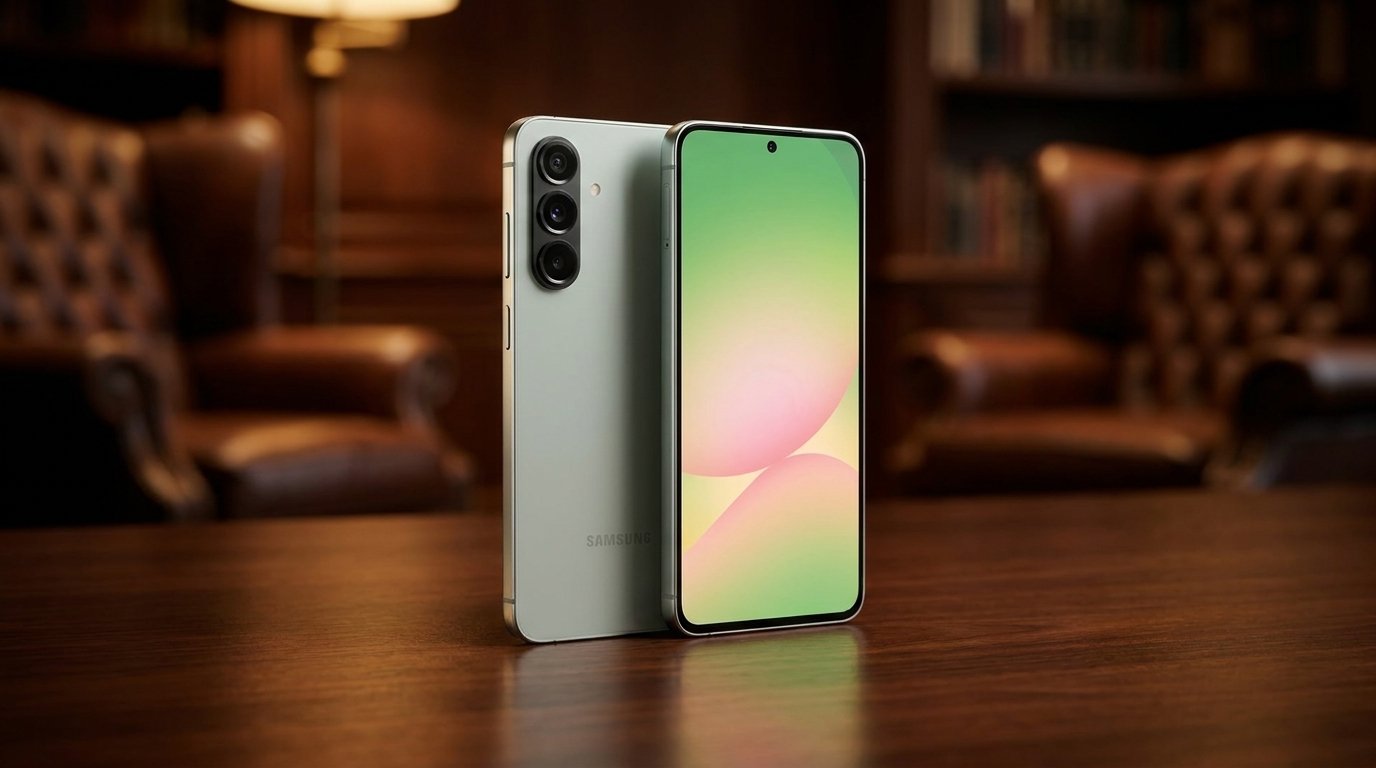
Price: $184–$299 (unlocked, varies by config)
Camera specs:
- Rear triple camera: 50MP main (f/1.8, 27mm, 1/2.76″ sensor, 0.64µm pixels, PDAF, OIS), 8MP ultrawide (f/2.2, 120°), 2MP macro
- Front: 13MP (f/2.2)
- Video: 4K@30fps, 1080p@30fps, plus a 720p@480fps slow-motion mode
- LED flash, panorama, HDR
The Samsung Galaxy A26 5G’s camera won’t out-resolve its A35 sibling — the sensor here is smaller (1/2.76″ vs. the A35’s 1/1.96″) with smaller individual pixels, so image quality naturally takes a step down, especially once light gets scarce. But it still has OIS on the main lens, which at this price is genuinely not guaranteed, and the same f/1.8 aperture keeps daylight shots crisp and well-exposed.
Where the A26 truly earns its spot on this list isn’t the sensor spec sheet — it’s Samsung’s commitment to 6 major Android OS upgrades, matching flagship-tier software support. Camera processing improves meaningfully through software updates (better HDR blending, improved noise reduction algorithms), so a phone that stays current longer effectively keeps getting camera upgrades for free, long after phones with 2–3 year update policies have been abandoned.
Real-world scenario: Well-lit outdoor shots — daytime walks, kids playing in a backyard, casual travel photos — are this phone’s comfort zone. It’s a dependable point-and-shoot rather than a low-light specialist.
Trade-off: The smaller main sensor and tiny 0.64µm pixels mean noise creeps in faster than the A35 once you’re indoors or after dusk. The 480fps slow-motion mode is also capped at 720p, so don’t expect crisp slow-mo footage.
Best for: Buyers who want a “buy it and forget it” phone — daylight shots that just work, backed by the longest software runway on this list.
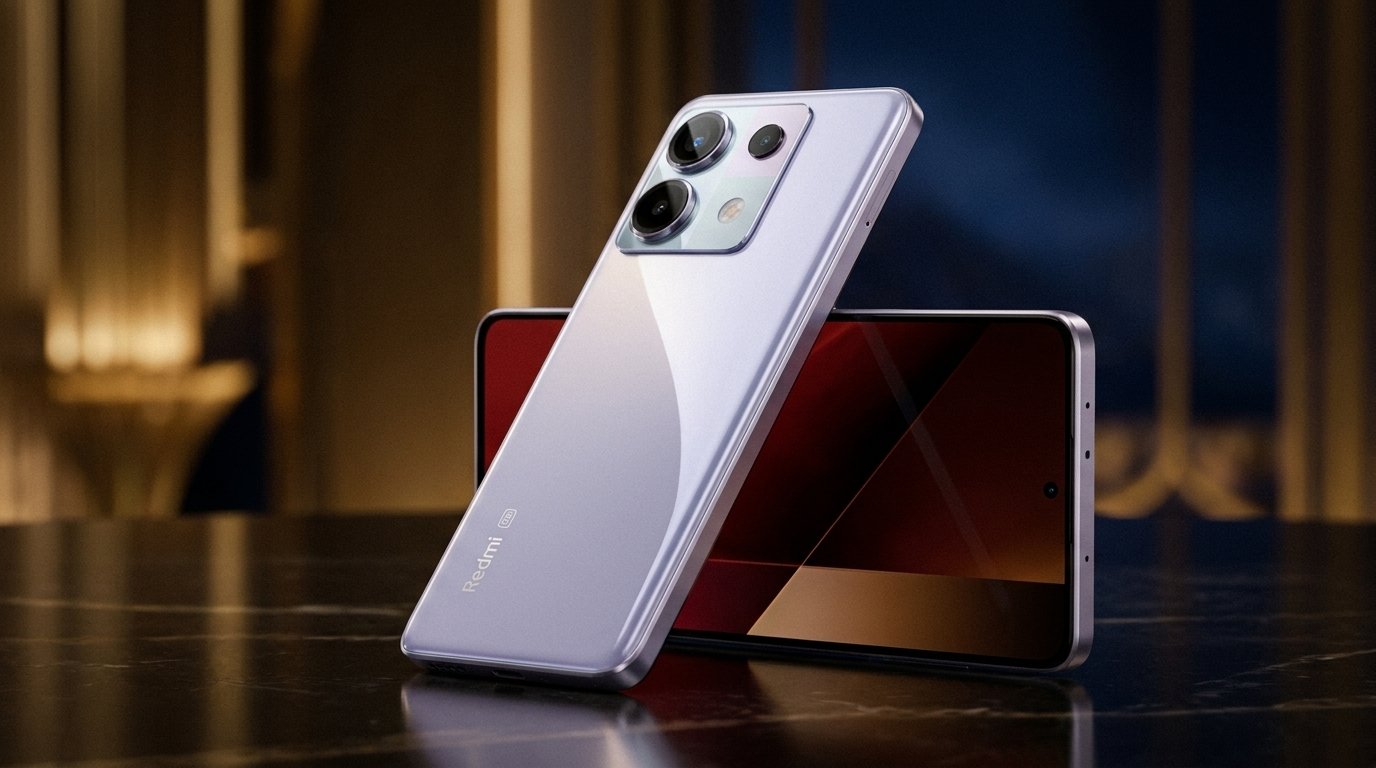
5. Xiaomi Redmi Note 13 Pro 5G — Best Resolution
Price: $270–$305 (base config, import unit — not officially sold by Xiaomi US)
Camera specs:
- Rear triple camera: 200MP main (f/1.7, 23mm, 1/1.4″ sensor, 0.56µm pixels, multi-directional PDAF, OIS), 8MP ultrawide (f/2.2, 118°), 2MP macro
- Front: 16MP (f/2.4, with HDR and panorama)
- Video: 4K@30fps, 1080p up to 120fps, gyro-EIS
- Dual-LED dual-tone flash, HDR, panorama
The Xiaomi Redmi Note 13 Pro 5G’s headline spec here is obvious: a 200MP main sensor, which is more resolution than most flagships bothered with even a couple of years ago. What actually makes it usable, though, is the sensor size behind those pixels — at 1/1.4″, it’s the largest main sensor of any phone on this list, plus OIS to keep all that resolution sharp instead of blurry. In good light, the extra megapixels mean you can crop in tight on a shot after the fact and still keep usable detail — genuinely close to a digital zoom without a dedicated telephoto lens.
The 200MP mode also enables 16-in-1 pixel binning under the hood, which is the same technique flagship phones use to combine multiple pixels into one for better low-light shots when you’re not shooting at full resolution.
Real-world scenario: Landscape and detail shots in daylight are where this phone separates itself — architecture, group photos where you might want to crop and reframe later, or anything where post-shot cropping flexibility matters more than in-camera zoom.
Trade-off: It’s an import model, not officially distributed by Xiaomi in the US, so warranty support and carrier band compatibility need double-checking before buying. It also only gets 3 major Android upgrades, and the IP54 rating (splash resistance only) is noticeably weaker than the IP67/IP68 ratings on the Samsung and Motorola phones on this list.
Best for: Buyers who want maximum crop-and-zoom flexibility and don’t mind sourcing an import unit.
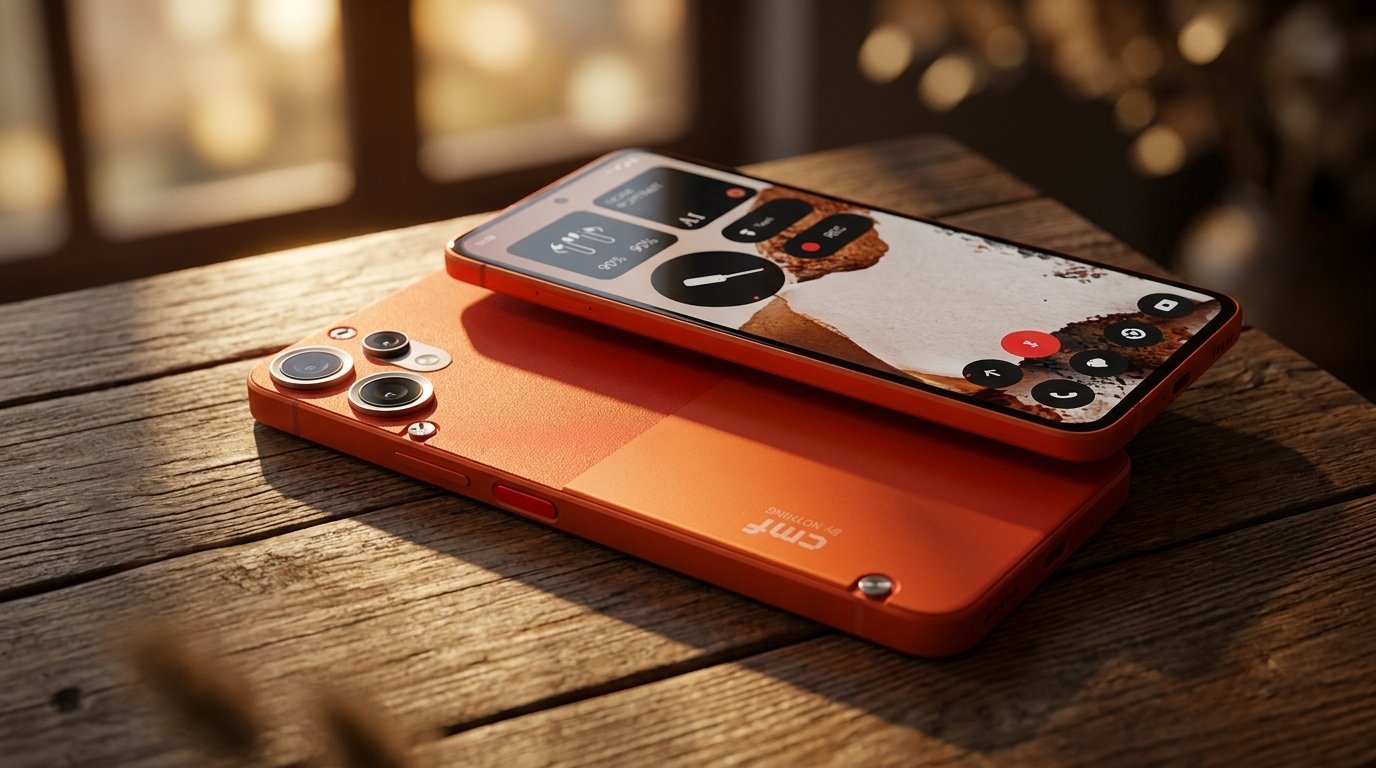
6. Nothing CMF Phone 2 Pro — Best Design + Rare Telephoto Lens
Price: ~$279 (unlocked)
Camera specs:
- Rear triple camera: 50MP main (f/1.9, 24mm, 1/1.57″ sensor, 1.0µm pixels, dual pixel PDAF), 50MP telephoto (f/1.9, 50mm, 1/2.88″ sensor, PDAF, 2x optical zoom), 8MP ultrawide (f/2.2, 120°)
- Front: 16MP (f/2.0)
- Video: 4K@30fps, 1080p up to 120fps, gyro-EIS
- LED flash, panorama, HDR, Ultra HDR image support
The Nothing CMF Phone 2 Pro’s standout feature is genuinely rare at this price: a dedicated 50MP telephoto lens with true 2x optical zoom — not a digital crop dressed up as “zoom.” Flagships have offered real optical zoom for years; almost nothing under $300 does. That gives you a legitimate second focal length to compose with, rather than the token macro lenses most budget phones ship instead.
Neither the main nor telephoto camera has optical image stabilization, so this isn’t the pick for shaky-hand low-light shooting — it leans more on a fast f/1.9 aperture across both lenses and a reasonably large 1/1.57″ main sensor to keep images clean in decent light.
The 3000-nit peak brightness AMOLED display with Ultra HDR support also means photos with HDR content actually look the way they were captured when you review them, which matters more than people expect when judging whether a shot is a keeper.
Real-world scenario: Portraits and subject-focused shots benefit most — the 2x telephoto gives flattering compression and separation from the background that a single wide lens can’t replicate, without digital zoom softness.
Trade-off: No OIS on either rear camera means handheld low-light shots are shakier than the Motorola or Samsung A35 on this list. IP54 rating (splash resistance only) is also the weakest water resistance here, and only 3 major Android upgrades are promised.
Best for: Buyers who want a genuine second focal length (portraits, subject isolation) and don’t mind trading OIS for it.
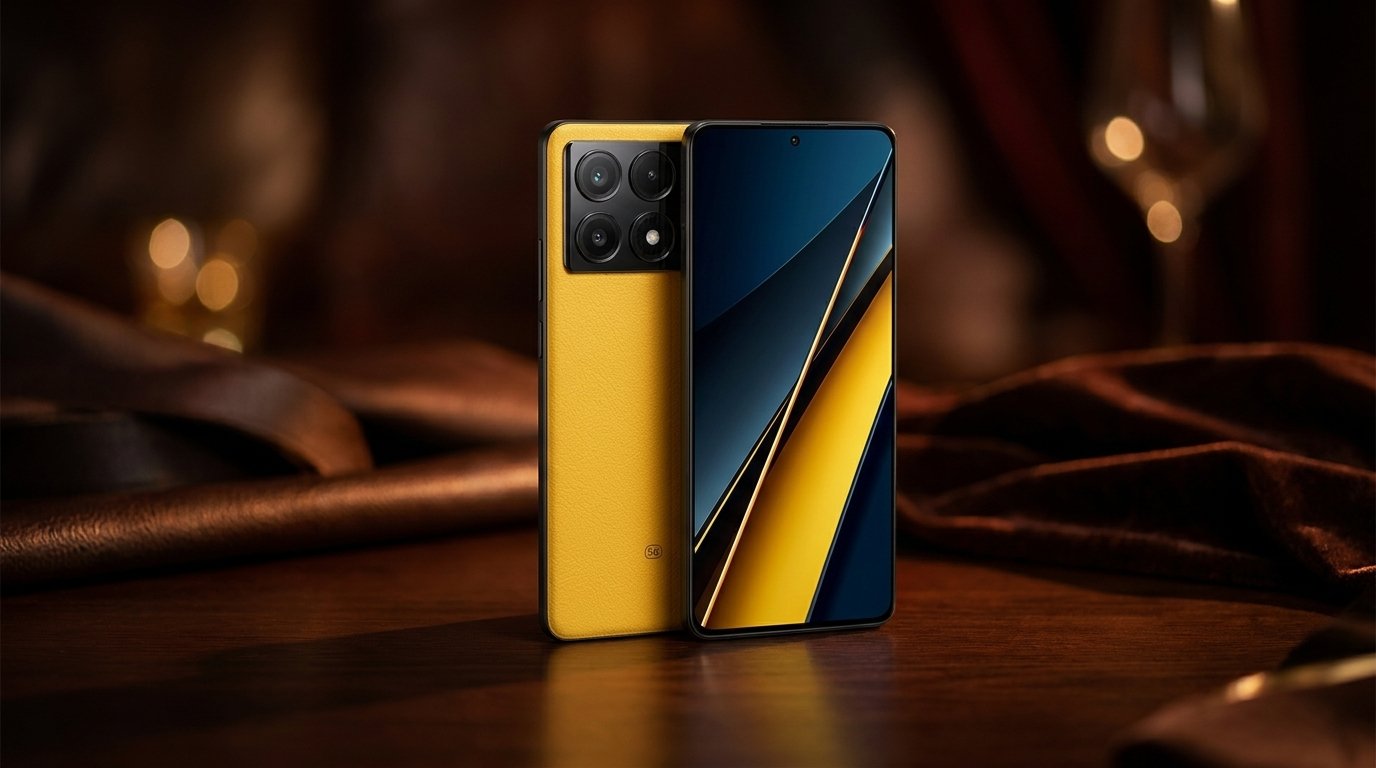
7. Xiaomi Poco X6 Pro 5G — Best for Detail & Zoom Flexibility
Price: $270–$299 (base config, import unit — not officially sold by Xiaomi US)
Camera specs:
- Rear triple camera: 64MP main (f/1.7, 25mm, 1/2.0″ sensor, 0.7µm pixels, PDAF, OIS), 8MP ultrawide (f/2.2, 120°), 2MP macro
- Front: 16MP (f/2.4, with HDR and panorama)
- Video: 4K@24/30fps, 1080p@30/60fps, gyro-EIS
- LED flash, HDR, panorama
The Xiaomi Poco X6 Pro splits the difference between the Redmi Note 13 Pro’s 200MP resolution play and the more balanced sensors elsewhere on this list — 64MP is still enough resolution for meaningful cropping headroom, backed by a fast f/1.7 aperture and OIS on the main lens. That combination means it handles handheld shots in mixed lighting more confidently than phones relying on sensor size alone.
It’s also the fastest chipset on this list by a clear margin — the MediaTek Dimensity 8300 Ultra is a genuinely high-performance SoC for this price bracket, which matters for camera use in a less obvious way: faster on-device processing means quicker HDR merging, faster burst shooting, and less shutter lag between shots.
Real-world scenario: Action and burst shooting — kids’ sports, pets in motion, anything where you’re firing off several frames quickly — benefits from the combination of a capable chipset and OIS-stabilized main sensor keeping each frame usable.
Trade-off: IP54 rating (splash resistance only) is on the weaker end of this list, and like the Redmi Note 13 Pro, it’s an import model not officially sold through Xiaomi’s US channels — check band compatibility and warranty terms before buying. Only 3 major Android upgrades are promised as well.
Best for: Buyers who want fast, confident burst and action shots without needing a flagship-tier chipset price tag.
8. OnePlus Nord N30 5G — Best Charging Speed, Solid Daylight Shooter

Price: $199–$300 (frequently discounted below MSRP)
Camera specs:
- Rear dual camera: 108MP main (f/1.7, 1/1.67″ sensor, 0.64µm pixels, PDAF), 2MP macro auxiliary lens
- Front: 16MP (f/2.4, with HDR and panorama)
- Video: capped at 1080p@30fps (no 4K recording)
- LED flash, HDR, panorama
The OnePlus Nord N30 5G is the most straightforward camera on this list — no OIS, no ultrawide lens, just a single high-resolution 108MP main sensor and a token macro lens. What it does have going for it is a genuinely large 1/1.67″ sensor paired with a bright f/1.7 aperture, which keeps daylight shots detailed and well-exposed even without the stabilization or secondary lenses found elsewhere in this roundup.
Where this phone actually earns its “flagship-adjacent” label isn’t the camera — it’s the 50W SUPERVOOC fast charging, a feature that used to be exclusive to OnePlus’s higher-end phones and still isn’t standard at this price. It’s included here as the “budget of the budget” pick: good enough daylight photos paired with genuinely fast charging and one of the lowest real-world street prices on this list.
Real-world scenario: Bright, outdoor daylight shots — this is a point-and-shoot camera in the truest sense, and it performs best exactly there. Without OIS or an ultrawide, it’s not the phone for creative flexibility or dim environments.
Trade-off: No 4K video recording (1080p only), no ultrawide lens, and no OIS on the main camera — this is the least camera-focused phone on the list, included for its price-to-charging-speed value rather than imaging chops. Software update support is also unclear/limited compared to Samsung and Motorola’s multi-year promises.
Best for: Budget-conscious buyers who want a dependable daylight camera and prioritize fast charging over camera versatility.
9. Motorola Moto G Power (2025) — Best Battery Life + Ruggedness

Price: $294–$299 (MSRP; occasionally discounted)
Camera specs:
- Rear dual camera: 50MP main (f/1.8, 1/2.88″ sensor, 0.61µm pixels, PDAF, OIS), 8MP ultrawide (f/2.2, 119°, 13mm, with autofocus)
- Front: 16MP (f/2.4, 24mm)
- Video: capped at 1080p@30fps (no 4K recording)
- LED flash, HDR, panorama
The Motorola Moto G Power (2025) earns its spot less on raw camera specs and more on package — OIS on the main camera and an autofocusing ultrawide (again, unusual at this price) mean it holds its own for stills, even though the sensor itself (1/2.88″, small 0.61µm pixels) isn’t as capable in dim light as the Motorola Edge 50 Fusion’s larger sensor.
What sets this phone apart from everything else on the list is durability: IP68/IP69 dust and water resistance plus MIL-STD-810H compliance, which is genuinely rare for a sub-$300 phone. That matters for a “flagship feature at a budget price” narrative — most phones this cheap have basic splash resistance at best, if any.
Real-world scenario: Outdoor and adventure shooting — hiking, poolside, anywhere you’d normally hesitate to pull out your phone — is where this phone’s durability lets you actually use the camera in situations that would risk damaging most budget phones.
Trade-off: No 4K video recording (1080p only), and only 2 major Android OS upgrades promised — the shortest software runway of any phone on this list. The smaller main sensor also means noisier low-light shots compared to the Edge 50 Fusion or Galaxy A35.
Best for: Buyers who want to actually take their phone into rough, wet, or dusty conditions without babying it — durability-first camera use.
10. Samsung Galaxy A16 — Best True-Budget Pick

Price: $147–$200 (unlocked)
Camera specs:
- Rear triple camera: 50MP main (f/1.8, 1/2.76″ sensor, 0.64µm pixels, AF — no OIS), 5MP ultrawide (f/2.2, 1/5.0″ sensor), 2MP macro
- Front: 13MP (f/2.0)
- Video: capped at 1080p@30fps (no 4K recording)
- LED flash, panorama, HDR
The Samsung Galaxy A16 is the cheapest phone on this list by a wide margin, and its camera hardware reflects that honestly — no OIS on the main lens, a smaller 5MP ultrawide sensor than its A26/A35 siblings, and video capped at 1080p. This isn’t a phone that’s sneaking in flagship camera tech; it’s here because it delivers a genuinely usable 50MP main camera and Samsung’s dependable color processing at a price that undercuts everything else on this list by $50–$100.
What it does share with its more expensive Galaxy A-series relatives is the same standout software commitment: 6 major Android OS upgrades, identical to the pricier Galaxy A26. That’s a remarkable amount of long-term value packed into the cheapest phone here — most sub-$200 phones get 2-3 years of updates at best, if any commitment is made at all.
Real-world scenario: Everyday snapshots in good light — this is a phone for casual photos, social media posts, and quick documentation, not a phone you’d reach for in challenging conditions.
Trade-off: No OIS means handheld shots in anything but bright light show more blur and softness than every other phone on this list. The 5MP ultrawide (with a notably small 1/5.0″ sensor) is the weakest secondary lens in this roundup, and IP54 is splash-resistance only.
Best for: Budget-first buyers who want the lowest possible entry price while still getting Samsung’s long software support and a competent main camera for daylight use.
Methodology: How We Picked These Phones
Every phone on this list had to clear three bars before making the cut.
Price verification. We checked real-world US retail pricing in July 2026 — not just MSRP, since several of these phones (Galaxy A35, Nord N30) launched above $300 and dropped over time, while others (Redmi Note 13 Pro, Poco X6 Pro, Poco X7) are import units with prices that vary by config. Every phone confirmed under $300 on at least one commonly available configuration.
Camera hardware, not marketing copy. We pulled actual sensor sizes, aperture values, and stabilization specs — not just megapixel counts — from each phone’s spec sheet. A 200MP sensor with no OIS and a tiny pixel size isn’t automatically better than a 50MP sensor with OIS and a larger sensor; we weighted real optical fundamentals (sensor size, aperture, stabilization) over marketing headline numbers.
Honest trade-offs. Every entry includes at least one real limitation — whether that’s IP rating, import status, software update runway, or missing 4K video. Budget phones all cut corners somewhere; we’d rather tell you where than pretend otherwise.
Prices and availability shift constantly in this segment. Treat the figures here as accurate at publish time, and double-check current pricing before you buy.
Buying Guide: What Actually Matters in a Budget Camera Phone
Sensor size matters more than megapixel count. A 200MP sensor crammed into a tiny chip (like the Redmi Note 13 Pro’s 0.56µm pixels) gathers less light per pixel than a 50MP sensor with larger pixels (like the Motorola Edge 50 Fusion’s 1.0µm pixels). More megapixels help with cropping and detail in good light, but a larger sensor with fewer, bigger pixels usually wins in anything but bright daylight. Don’t let a bigger number on the spec sheet automatically win your decision.
OIS is the single best predictor of “flagship-like” photos at this price. Optical image stabilization physically counteracts hand shake, which matters most exactly when budget phones usually fall apart — indoors, at dusk, or in any dim setting. Of the 10 phones here, most include OIS on the main camera; the ones that don’t (the Nord N30, CMF Phone 2 Pro, and Galaxy A16) lean instead on wide apertures or larger sensors to compensate, with mixed results in low light.
Computational photography is the real flagship inheritance — not the sensor itself. Night mode, HDR blending, and multi-frame noise reduction are software techniques that flagships popularized and budget phones have since adopted wholesale. This is also why software update longevity functions as a hidden camera spec: a phone still getting updates in year four often takes noticeably better photos than it did on day one, purely from processing improvements.
A second lens isn’t automatically useful. Most 2MP “macro” lenses across this list are filler — genuinely rare is a real telephoto lens like the CMF Phone 2 Pro’s 2x optical zoom, or an autofocusing ultrawide like the Motorola Edge 50 Fusion and Moto G Power both offer. When comparing spec sheets, check whether a secondary lens has autofocus or real optical zoom — if it doesn’t, treat it as marketing padding rather than a genuine feature.
FAQ
Can a phone under $300 really match a flagship camera?
Not entirely — flagships still win on chipset-level image processing, periscope zoom, and sensor size in absolute terms. But several phones on this list (the Galaxy A35, Motorola Edge 50 Fusion, Poco X7) include the same core ingredients flagships rely on — OIS, large sensors, wide apertures — just in a smaller, less refined package. The gap has narrowed dramatically compared to five years ago.
What’s the best camera phone under $300 for low light?
The Motorola Edge 50 Fusion, thanks to its large 1/1.56″ main sensor with 1.0µm pixels and OIS — the biggest light-gathering combination on this list. The Samsung Galaxy A35 is a close second.
Are budget phone cameras good enough for Instagram/social media?
Yes, for nearly all of these. Social media platforms compress images heavily on upload, which tends to flatten the visible gap between budget and flagship cameras. Any phone on this list with OIS (most of them) will produce shots that look great at social media resolutions.
Is a higher megapixel count always better?
No. Sensor size, aperture, and stabilization matter more than raw megapixel count for most everyday shooting. High-megapixel sensors (like the Redmi Note 13 Pro’s 200MP) shine specifically for cropping and detail in good light, but don’t automatically outperform lower-megapixel phones with larger sensors in mixed or low light.
Which phone on this list has the best zoom?
The Nothing CMF Phone 2 Pro, thanks to its dedicated 50MP telephoto lens with genuine 2x optical zoom — the only phone here with real optical zoom rather than a digital crop.
Conclusion
If you only remember two names from this list, make them the Samsung Galaxy A35 5G for the most well-rounded camera under $300, and the Samsung Galaxy A16 if you want to spend as little as possible while still getting a competent shooter and years of software support behind it.
Every price here was checked in July 2026, but this segment moves fast — worth a quick price check before you buy. Looking to spend a bit more? Check out our Best Camera Phones Under $500 roundup for the next tier up.
