
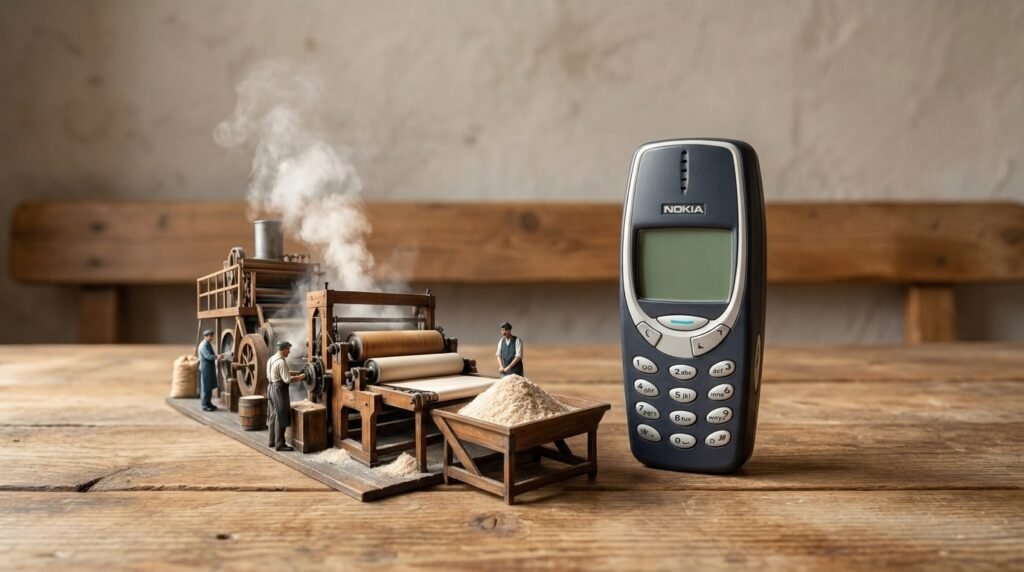
When people hear the name Nokia, they often think of classic mobile phones such as the Nokia 3310, Nokia 1100, or the iconic Nokia N-series. But Nokia’s story began long before mobile phones existed.
Nokia was founded in 1865 in Finland, originally as a wood-pulp mill established by mining engineer Fredrik Idestam. Over the following century, the company transformed from a paper and pulp business into a diversified industrial company and eventually became one of the world’s biggest mobile phone manufacturers.
Here’s how that remarkable journey unfolded.
When Was Nokia Founded?
Nokia was founded in 1865 by Finnish mining engineer Fredrik Idestam. His first wood-pulp mill was established at the Tammerkoski Rapids in Tampere, Finland. At the time, Nokia had nothing to do with mobile phones or telecommunications. A few years later, Idestam established a second mill near the Nokianvirta River. The location inspired the company name Nokia Ab, which was adopted in 1871.So, if you’re wondering “What year was Nokia founded?”, the answer is 1865—more than a century before Nokia became famous for mobile phones.
The Early History of Nokia
Nokia’s Beginnings as a Paper Mill
Nokia’s original business focused on producing wood pulp, which was used to manufacture paper and other products. Finland had extensive forests, making the country’s timber resources an important foundation for industries such as pulp and paper.
The company gradually expanded its operations as demand for paper products increased.
How the Company Got Its Name
The Nokia name comes from the area surrounding the Nokianvirta River. After Idestam established its second mill there, the location influenced the name Nokia Ab. This means the famous Nokia brand name existed long before the company entered the electronics and mobile phone industries.
How Nokia Expanded Beyond Paper
Nokia didn’t remain a paper company forever. Over the decades, it expanded into several different industries.
The company’s history eventually included rubber products, cables, electronics, forestry, power generation, and telecommunications. Finnish Rubber Works, established in 1898, became part of the larger Nokia story, while Finnish Cable Works was founded in 1912.
In 1967, Nokia Corporation took its modern corporate form after the merger of Nokia Ab, Finnish Rubber Works, and Finnish Cable Works. The resulting company operated across several industries, including rubber, cable, forestry, electronics, and power generation.
This diversification was important because it eventually gave Nokia experience in electronics and communications technology.
When Did Nokia Enter the Telecommunications Industry?
Nokia’s connection to telecommunications began well before its mobile phone boom.
In 1960, an electronics department was established at Finnish Cable Works to focus on radio-transmission equipment. This marked an important step toward Nokia’s eventual transformation into a telecommunications technology company.
Nokia continued investing in telecommunications during the following decades. In 1982, the company introduced Europe’s first fully digital local telephone exchange and a car phone designed for the Nordic Mobile Telephone analog standard.
These developments helped Nokia build the technical expertise that would later support its mobile phone business.
When Did Nokia Start Making Mobile Phones?
Nokia’s early mobile communications products appeared during the 1980s, including the Mobira brand. Nokia’s history records the Mobira Talkman, an NMT450 portable car phone, from 1984.
The company then moved increasingly toward handheld mobile phones.
One of its major milestones came in 1991, when the first GSM call was made using Nokia equipment. Nokia also introduced the Nokia 1011, a GSM handportable, around this period.
GSM, or Global System for Mobile Communications, became a major standard for digital cellular networks and helped create the foundation for the modern mobile phone industry.
Nokia’s Rise in the Mobile Phone Market
During the 1990s, Nokia increasingly focused on telecommunications and mobile devices.
The company benefited from the growing adoption of GSM networks and developed phones that were smaller, easier to use, and increasingly affordable. Models such as the Nokia 2110, Nokia 6110, and Nokia 8110 became recognizable products in the rapidly expanding mobile market.
By the late 1990s, Nokia had become the world’s largest mobile phone manufacturer. Its combination of hardware design, network technology, global distribution, and user-friendly phones helped turn it into a household name.
Nokia’s Most Iconic Phones
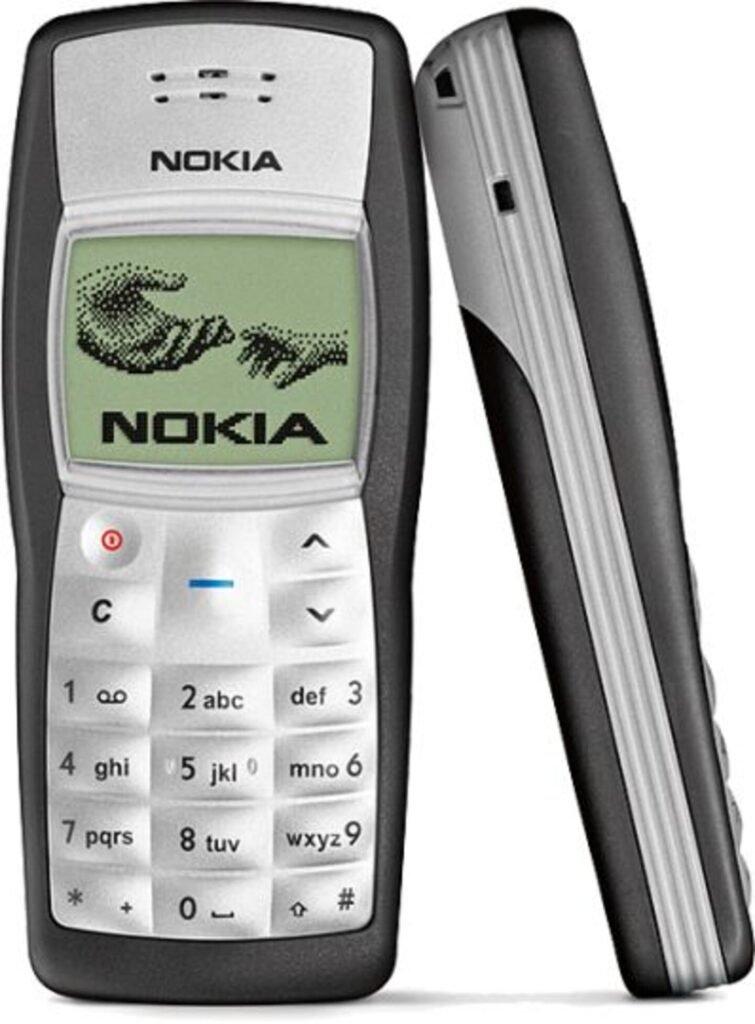
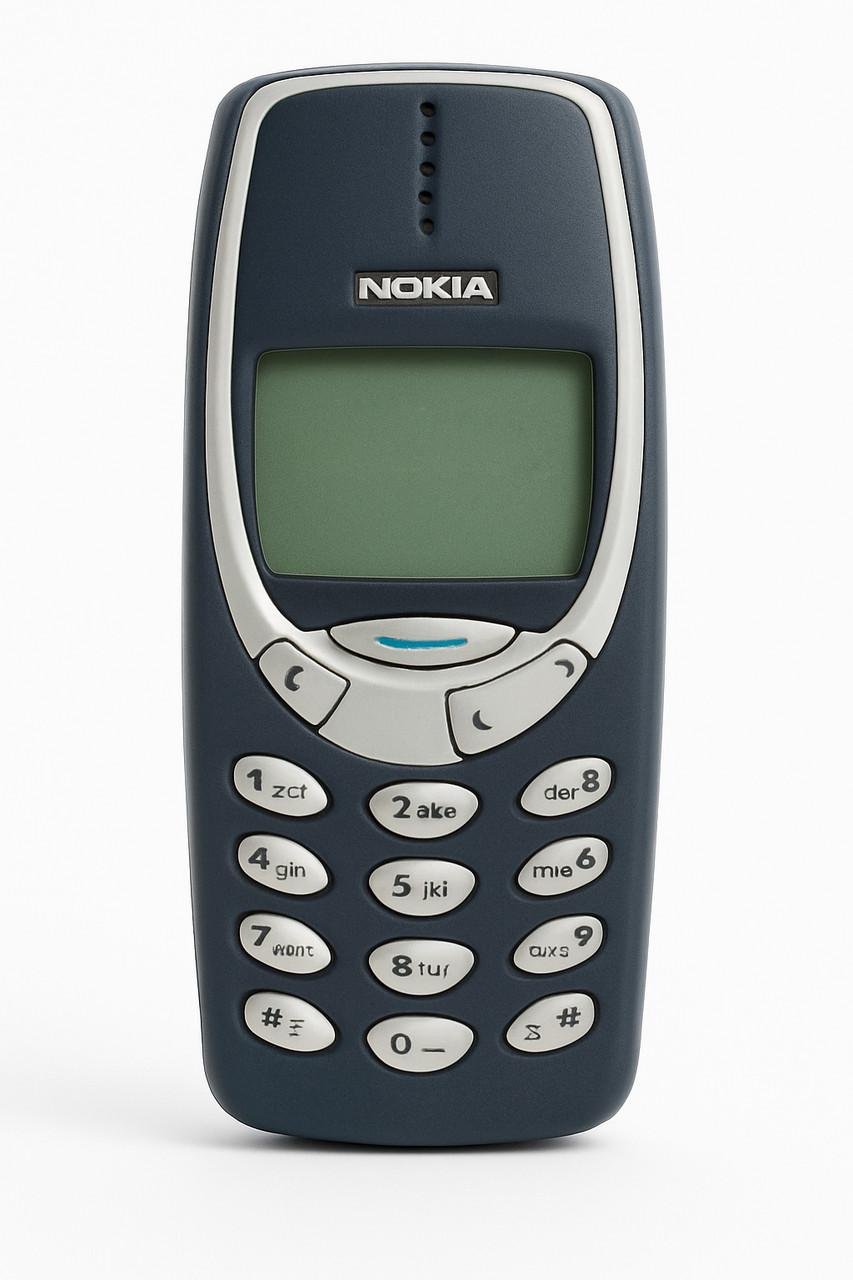
Nokia produced hundreds of mobile phone models, but several became particularly memorable.
Nokia 3310: Famous for its durability, simple interface, long battery life, and classic Snake game.
Nokia 1100: One of the most successful mobile phones ever made, designed as an affordable and practical handset for a mass-market audience.
Nokia N-series: These phones focused more heavily on multimedia, cameras, music, and internet features.
Nokia E-series: Designed primarily for business users, with productivity and communication features.
These phones helped establish Nokia’s reputation for reliable hardware and practical design.
Why Nokia Became So Successful
Nokia’s success wasn’t based on one feature. Several factors worked together.
First, Nokia developed a reputation for durable hardware. Many of its classic phones could survive everyday drops and rough handling.
Second, Nokia phones were known for long battery life, which was particularly important when mobile networks and charging infrastructure were less convenient than they are today.
The company also produced phones for different markets and price ranges. From simple feature phones to advanced smartphones, Nokia offered devices for a wide variety of users.
Its strong presence in telecommunications also gave the company an advantage as mobile networks expanded around the world.
What Happened to Nokia’s Mobile Phone Business?
Nokia’s dominance eventually came under pressure as smartphones changed the industry.
The arrival of Apple’s iPhone and the rapid growth of Android changed what consumers expected from phones. Touchscreens, app stores, mobile web browsing, and advanced operating systems became increasingly important.
Nokia struggled to adapt quickly enough to this new smartphone environment.
In 2014, Nokia sold its Devices & Services business, marking the end of an important chapter in the company’s history as a major mobile phone manufacturer.
Nokia Phones Today
Nokia’s corporate identity today is very different from the company that dominated the mobile phone market in the 1990s and early 2000s. Nokia still make phones today? The answer is more complicated than it might seem, as the Nokia brand continues to appear on feature phones while HMD focuses increasingly on its own smartphone lineup.
Nokia’s Legacy in the Mobile Industry
Nokia’s history is unusual because the company successfully reinvented itself multiple times.
It began in 1865 as a Finnish wood-pulp mill, expanded into rubber and cables, moved into electronics and telecommunications, and eventually became a global mobile phone powerhouse.
Its mobile phone era may be what most consumers remember, but Nokia’s broader legacy extends far beyond handsets. The company played an important role in the development of GSM and telecommunications infrastructure, helping shape the connected world we use today.
Frequently Asked Questions
When was Nokia founded?
Nokia was founded in 1865 by Fredrik Idestam as a wood-pulp mill in Finland.
Who founded Nokia?
Fredrik Idestam, a Finnish mining engineer, founded Nokia’s original business.
Where was Nokia founded?
Nokia’s first wood-pulp mill was established at the Tammerkoski Rapids in Tampere, Finland.
When did Nokia start making phones?
Nokia entered mobile communications during the 1980s, with products including Mobira phones. It later became a major GSM handset manufacturer during the 1990s.
What was Nokia’s first mobile phone?
Nokia’s early mobile products included the Mobira Senator, introduced in the early 1980s, followed by other Mobira-branded mobile communications products. Nokia’s official historical archive documents the Mobira Talkman from 1984.
Final Thoughts
So, when was Nokia founded? The answer is 1865—exactly 160 years before Nokia marked its 160th anniversary in 2025.
What started as a small Finnish paper and pulp operation eventually became one of the most recognizable names in mobile technology. Nokia’s journey from paper mill to mobile phone giant to modern telecommunications company is one of the most fascinating stories in technology history.
