
Foldable phones have come a long way in just a few years. What started as an expensive experiment has turned into a serious smartphone category, with Samsung, Google, Motorola, Huawei, Oppo, Honor, and other brands competing to build the next big thing.
But the next generation of foldables isn’t just about larger screens. Manufacturers are now targeting the biggest weaknesses of today’s devices: thickness, battery life, durability, cameras, software, and price.
Some of those upgrades are already arriving, while others could define the next few years of foldable phones.
Thinner and Lighter Foldables Are Coming
One of the biggest changes is happening to the physical design.
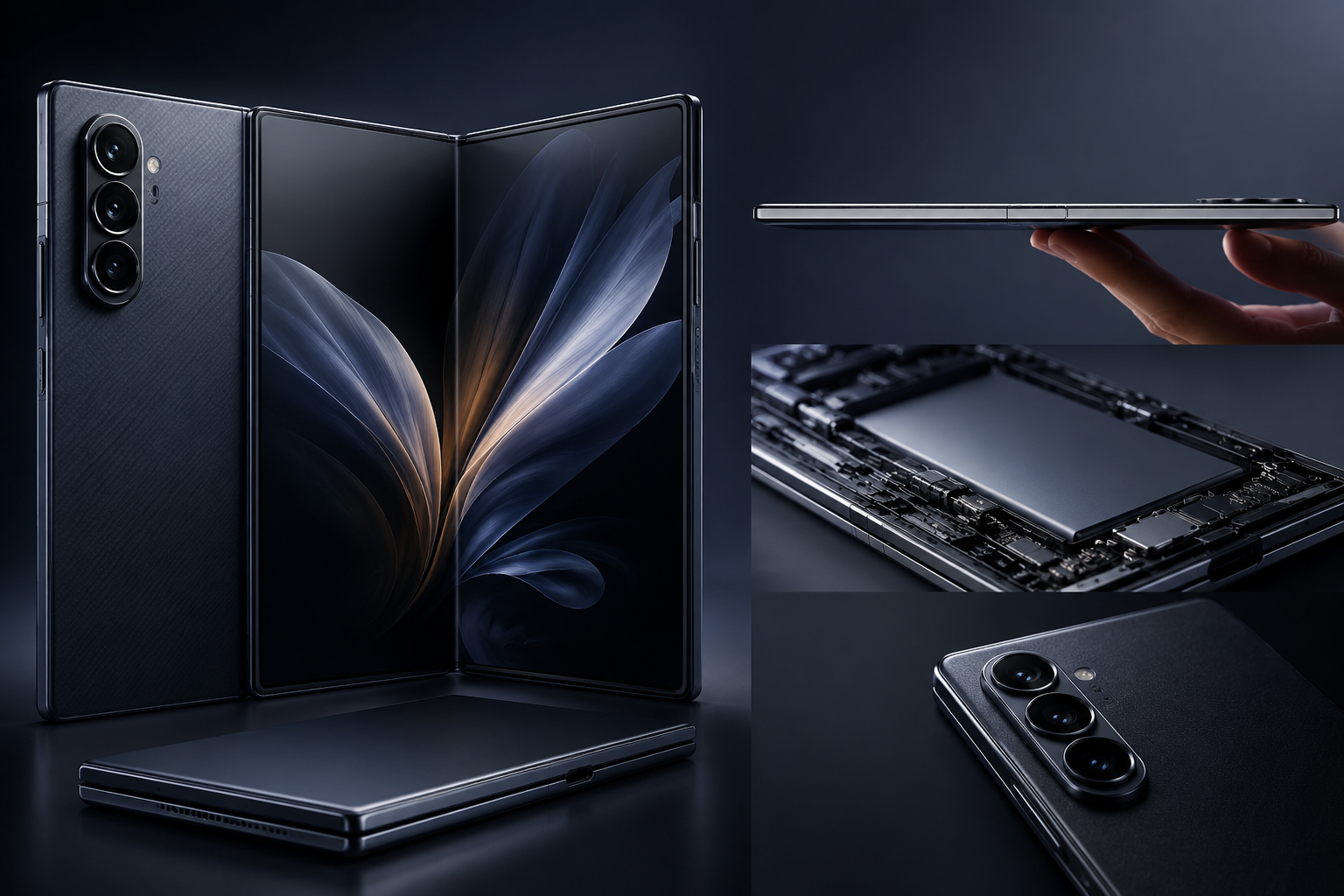
Samsung’s latest Galaxy Z Fold 8 Ultra shows just how far manufacturers are pushing slimness. It reportedly measures only 4.1mm at its thinnest point when unfolded, making it one of the slimmest foldable designs yet.
The phone also packs a 5,000mAh battery, an anti-reflective display coating, and a 200MP main camera. That’s important because foldables have traditionally had to compromise on thickness, battery capacity, or camera hardware.
As manufacturers improve their hinges and internal components, future foldables should become easier to carry and more comfortable to use as everyday phones.
Bigger Batteries and Better Battery Life
Battery life has always been an important concern with foldables. These phones have to power both an outer display and a larger inner screen while fitting everything into a relatively thin body.
Samsung’s 5,000mAh battery in the Galaxy Z Fold 8 Ultra shows that manufacturers are finding ways to increase capacity without making the phone dramatically thicker.
Motorola is also putting battery life at the center of its Razr Ultra 2026, showing that battery endurance is becoming a major selling point rather than an afterthought.
More efficient processors and better battery technology could make upcoming foldables much more practical for heavy users, travelers, and mobile gamers.
Foldable Screens Are Getting Tougher
Durability is another area where foldables have improved significantly.
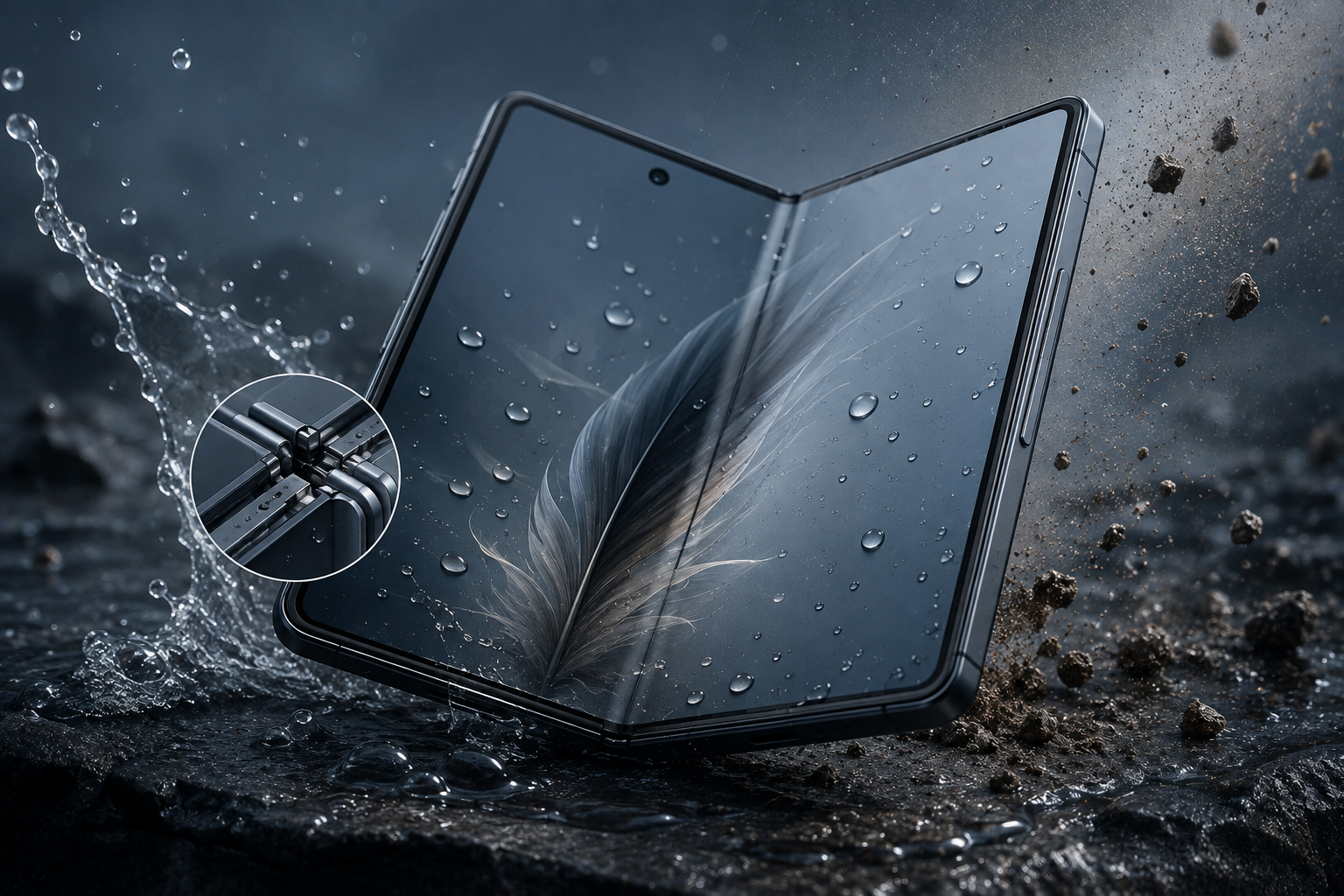
Google’s Pixel 10 Pro Fold brings an IP68 durability rating, giving users greater protection against dust and water than many early foldable phones offered.
Improved hinges, stronger flexible displays, and better protective materials are helping foldables become less fragile.
The goal is to make a foldable feel like a normal premium smartphone rather than a device that requires special handling.
The Crease Could Become Less Noticeable
The display crease remains one of the most obvious differences between a foldable and a traditional phone.
Manufacturers are continuously improving hinge mechanisms and flexible display construction to reduce how visible and noticeable the crease is.
It may take more generations before completely crease-free displays become practical, but the trend is clear: foldable screens are becoming smoother and more refined.
Cameras Are Finally Catching Up
Foldable phones have often struggled to match traditional flagship smartphones when it comes to camera hardware.
That’s beginning to change. Samsung’s Galaxy Z Fold 8 Ultra, for example, features a 200MP main camera, showing that manufacturers are no longer treating cameras as an area where foldable buyers have to compromise.
As internal components become smaller and more efficient, manufacturers should have more room for larger sensors and better camera systems.
For photography enthusiasts, this could make future foldables much more competitive with conventional flagship phones.
AI Will Make Foldables More Useful
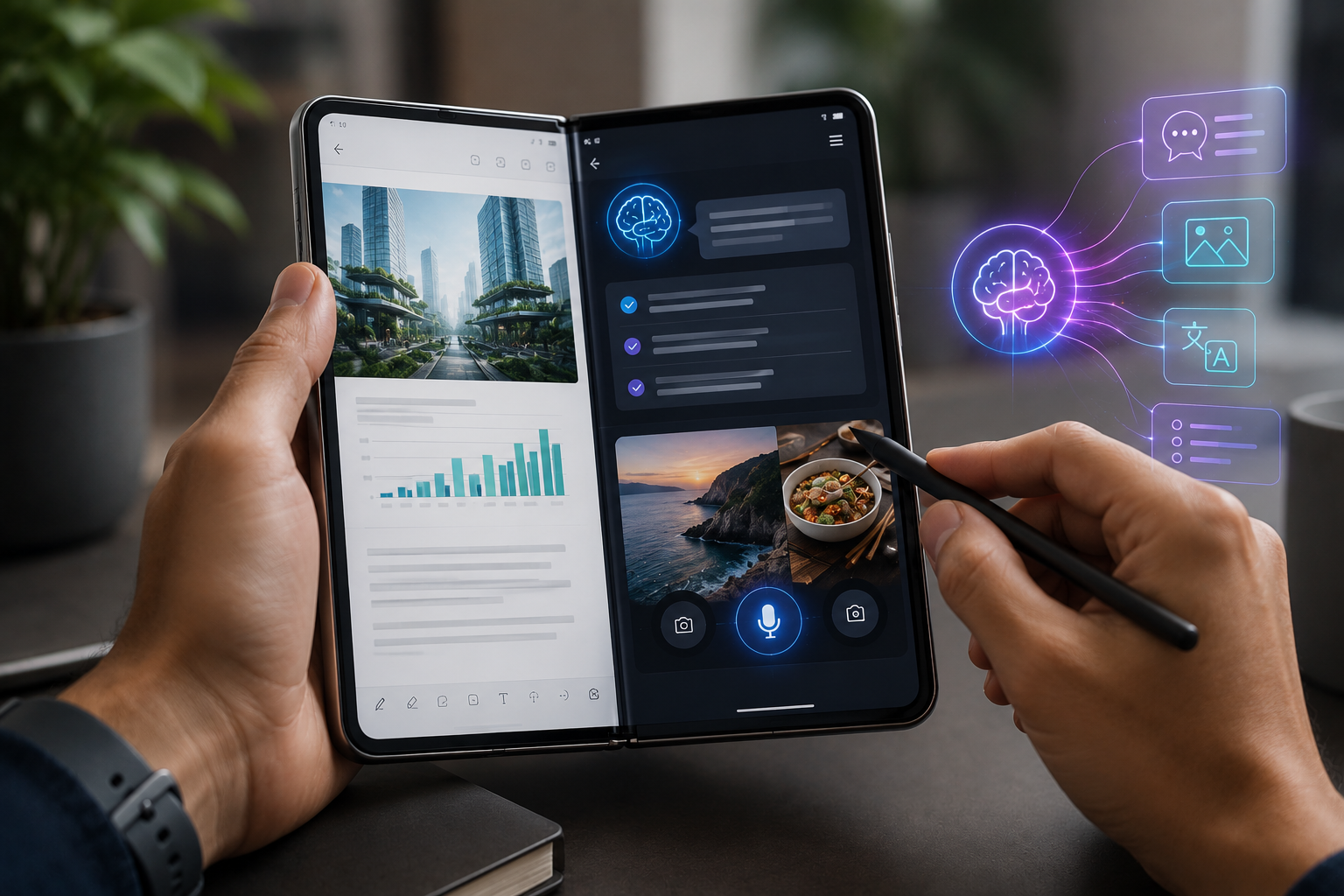
The larger displays found on book-style foldables are perfect for AI-powered features.
Google is already using advanced AI capabilities on the Pixel 10 Pro Fold, while manufacturers across the industry are adding smarter tools for productivity, photography, translation, search, and multitasking.
Imagine opening an AI assistant on one side of the screen while working on a document on the other. Or asking AI to summarize information while keeping the original content visible.
This is where foldable phones can offer something that regular smartphones can’t easily replicate.
Software Will Matter Just as Much as Hardware
A great foldable needs more than a flexible display. Its software must take advantage of that extra screen space.
Future devices are expected to offer better split-screen layouts, improved app support, smoother transitions between the outer and inner displays, and more intelligent multitasking.
For users who work, study, stream content, or game on their phones, these improvements could make the larger screen genuinely useful rather than simply impressive.
Tri-Fold and Rollable Phones Could Be Next
The future of foldables may not stop at phones that fold once.
Huawei has already demonstrated the possibilities of triple-folding technology with the Mate XT, while other manufacturers are exploring different form factors.
Samsung is also rumored to be working on a rollable phone, potentially arriving around 2027 or 2028.
Instead of folding a screen into two sections, a rollable device could expand its display when needed and retract it when portability matters.
These designs could eventually blur the line between smartphones and tablets.
Apple Could Change the Market
Apple has yet to officially launch a foldable iPhone, but rumors of the company’s first foldable continue to generate attention.
A future flip-style foldable iPhone could be particularly significant. Apple has a huge iPhone user base, and its entry into the foldable market could encourage millions of users who have ignored foldables to consider them.
That would also increase competition for Samsung and other manufacturers.
More Competition Could Mean Lower Prices
Foldables remain expensive, but competition is increasing.
Samsung, Google, Motorola, Huawei, Oppo, Honor, and other brands are approaching the category from different angles. More competition should encourage manufacturers to improve hardware while finding ways to reduce production costs.
Eventually, foldables could become available at prices that are much closer to conventional flagship smartphones.
That could be the moment when foldables truly become mainstream.
Should You Buy a Foldable Now or Wait?
If you want a foldable today, current models are already capable enough to serve as everyday smartphones. But if your biggest concerns are price, thickness, battery life, durability, or camera quality, waiting for newer generations could be worthwhile.
The direction of the market is clear: manufacturers are trying to make foldables thinner, tougher, smarter, and more practical.
The Future of Foldable Phones
The next major upgrade for foldables isn’t one single feature. It’s the combination of several improvements.
Thinner bodies, larger batteries, stronger displays, better cameras, smarter AI, improved software, and new designs such as tri-fold and rollable phones could completely change what we expect from smartphones.
Samsung is pushing ultra-thin hardware, Google is focusing on AI and durability, Motorola is emphasizing battery life and different form factors, while Huawei and other regional brands are experimenting with new folding designs.
And if Apple eventually joins the competition, the category could grow even faster.
The future of foldable phones isn’t simply about making smartphones fold. It’s about making the foldable experience good enough that users no longer feel like they’re making a compromise.
